Why NZ Medical Alarms Are Worth Considering for Senior Safety at Home
@nzmedicalalarmsmag
October 10, 2026 · 7 min read
When my mother first mentioned she had started leaving the front door unlocked "just in case" she fell and couldn't get up, I realised the usual reassurances weren't enough. She lives alone in a quiet Auckland suburb, and like many older New Zealanders, she values her independence fiercely. The conversation that followed led us to look into nz medical alarms, and what I learned surprised me. These systems have changed a lot from the clunky pendants of a decade ago.
For anyone supporting an elderly relative or planning ahead for themselves, understanding what a modern medical alert system offers is worth the time. The market in New Zealand has matured, and there are options that balance reliability with real-world usability. The key is knowing what to look for and what questions to ask.
What a Medical Alert System Actually Does Today
A medical alert system is essentially a safety net. The user wears a pendant alarm or a wristband that can trigger an emergency alert with the press of a button. But the technology has moved well beyond that simple function. Many systems now include fall detection, which can automatically raise the alarm if a fall is detected, even if the person cannot press the button. That feature alone gives a lot of peace of mind because falls are one of the biggest risks for seniors living alone.
Two-way calling is another major upgrade. Instead of just sending a silent signal to a monitoring centre, the user can speak directly to a responder through the base station or the pendant itself. This means the caregiver or monitoring team can assess the situation, ask if help is needed, or reassure the person that help is on the way. It reduces false alarms and makes the whole process less frightening for everyone involved.
GPS tracking is now common in mobile units that work outside the home. If someone goes for a walk and becomes disoriented or has a medical event, the system can pinpoint their location. This is especially valuable for people with early-stage dementia who might wander. The combination of GPS tracking and fall detection means the system works both at home and on the move.
One of the biggest shifts I noticed is the move away from landline dependence. Older systems required a landline phone connection, which many households no longer have. Modern units use a cellular network, which is more flexible and often more reliable. The base station plugs into power but communicates over mobile networks, so it works even if the home phone is disconnected.

No Monthly Fees and What That Means for Families
Pricing models vary widely, but some providers now offer a system with no monthly fees. Instead, you pay a one-off cost for the equipment, and that's it. For families on a fixed budget, this is a significant consideration. Ongoing subscriptions can add up over time, and the fear of a forgotten payment causing a lapse in service is real. A system with no monthly fees removes that worry entirely.
That said, no monthly fees often mean the upfront cost is higher, and you may not get 24/7 professional monitoring as part of the deal. Some systems rely on family monitoring instead, where alerts go directly to nominated family members via a mobile app. This can work well if you have a responsive network of relatives nearby. For others, a professional monitoring centre that can dispatch emergency services directly is worth the monthly subscription. Understanding your own situation and the reliability of your family network is crucial before choosing.
During my research, I found that nz medical alarms with family monitoring often include a mobile app that lets family members check in, see battery status, and receive alerts. That kind of visibility is reassuring, especially for adult children who live in a different city. You can see that the system is working and that your parent is safe without having to call every day.
Battery Life and Waterproofing: Practical Details Matter
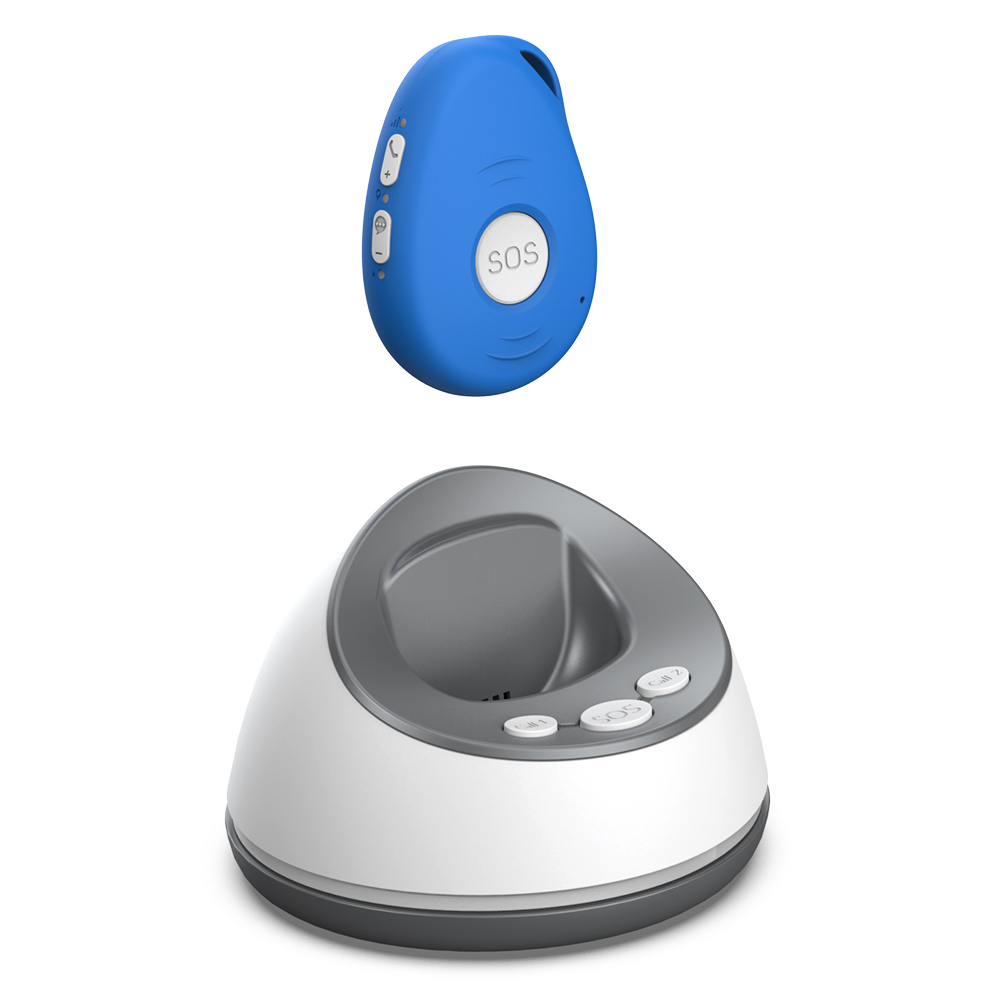
One of the most common frustrations with older pendant alarms was the battery life. People forgot to charge them, or the batteries died at the worst possible moment. Modern units have addressed this. Many offer battery life measured in months or even years, and they send low-battery alerts to both the user and the family monitoring app. Some pendants are rechargeable and sit in a charging cradle when not worn, which is a simple but effective solution.
Waterproof alarms are another practical improvement. A waterproof alarm can be worn in the shower, which is where a significant number of falls happen. If the pendant cannot get wet, the user has to remember to take it off before bathing, which defeats the purpose. A truly waterproof alarm means continuous protection, no matter what the person is doing.
Rapid Response and the Role of the Caregiver
A medical alert system is only as good as the response it triggers. Rapid response depends on the system design and the people on the other end. With family monitoring, the speed depends on whether someone picks up the phone or checks the app. With professional monitoring, there is usually a protocol that escalates from a phone call to dispatching emergency services within a few minutes. Knowing that difference matters when you are choosing a system for someone who lives alone.
The caregiver's burden is also worth considering. For family members who provide regular support, a medical alert system can reduce some of the constant worry. Instead of checking in multiple times a day, you can rely on the system to alert you if something is wrong. That frees up emotional energy and makes the relationship less about surveillance and more about genuine connection.
One thing I learned the hard way is that the system must fit the person's daily habits. A wristband may be more comfortable for someone who does not like wearing necklaces. A pendant alarm with a breakaway clasp is safer for people who might get it caught on furniture. A base station with large, clear buttons is easier for someone with vision or dexterity issues. These small details make the difference between a device that sits in a drawer and one that is worn every day.
How NZ Medical Alarms Compare to Other Options
Internationally, the medical alert system market is dominated by a few large players, but New Zealand has its own providers who understand local needs. The cellular networks here are reliable in most urban and suburban areas, but coverage can be patchy in rural parts of the country. Anyone living outside a main centre should check that the system uses a network with coverage in their specific area. Some providers offer backup options, such as a base station that can fall back to a landline if the cellular network is down.
Another local consideration is that many New Zealand homes have layouts that differ from the standard suburban house in other countries. Stairs, wooden floors, and separate sleepouts can affect signal range between the pendant and the base station. A good system will have a stated range, and it is worth testing before committing. Some providers offer a trial period, which is a sensible safeguard.
During my search, I noticed that the phrase nz medical alarms often brings up results that focus on the hardware, but the service and support are just as important. A provider who can help with setup, answer questions about the mobile app, and offer prompt replacement if a device fails is worth paying more for. The human element matters, especially when the user is elderly and may not be comfortable with technology.
Making the Decision
Choosing a medical alert system for a senior family member is not a one-size-fits-all decision. It requires honest conversations about health, daily routines, and what kind of help is realistically available from family and neighbours. For some, a basic pendant alarm with family monitoring and no monthly fees is perfect. For others, a system with professional monitoring, fall detection, and GPS tracking provides the right level of support.

The most important step is to involve the person who will use the system. If they are not comfortable wearing the pendant or using the base station, the system will not help when it matters. Let them try it, ask questions, and give feedback. A system that feels like a burden will be abandoned. A system that feels like a safety net will be worn consistently.
For anyone in New Zealand looking into this, the market offers solid choices. The technology has matured, the pricing is more transparent than it used to be, and the focus on senior safety is genuine. With a bit of research and a clear sense of what you need, an nz medical alarm can be a straightforward, effective addition to a plan for ageing well at home.